Neurogenic Locus Notch Homolog Protein 2 (NOTCH2) ELISA
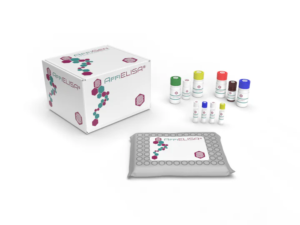
The Neurogenic Locus Notch Homolog Protein 2 (NOTCH2) ELISA represents a cutting-edge platform for the detection and quantification of NOTCH2 protein levels in various biological matrices, including serum, plasma, and tissue homogenates. This robust assay is integral to advancing our understanding of the Notch signaling pathway, which governs critical cellular processes such as differentiation, proliferation, and apoptosis.
NOTCH2 is a key receptor in the Notch signaling family, functioning in both canonical and non-canonical signaling pathways. Its dysregulation is linked to a multitude of developmental and pathological conditions, including cancers, autoimmune disorders, metabolic syndromes, and neurodegenerative diseases.
Expanded Role of NOTCH2 in Biological Systems
The NOTCH2 protein is essential in orchestrating various physiological functions, emphasizing its relevance in:
- Tissue Development and Regeneration: NOTCH2 signaling is indispensable during organogenesis, particularly in skeletal, cardiovascular, and hepatic tissues (NIH Tissue Engineering Studies).
- Immune System Regulation: By modulating T and B lymphocyte differentiation, NOTCH2 contributes to immune homeostasis and the resolution of inflammation (NIAID Immune Research).
- Neural Plasticity: In the nervous system, NOTCH2 influences neural stem cell maintenance, neurogenesis, and synaptic plasticity, key processes in learning and memory (NINDS Neurological Research).
Detailed biological insights into NOTCH2 can be found in NCBI Bookshelf.
Pathological Implications of NOTCH2 Dysregulation
Aberrant NOTCH2 activity or mutations can disrupt cellular homeostasis, leading to various diseases:
- Cancer: NOTCH2 overexpression has been implicated in hematological malignancies, such as B-cell lymphomas, and solid tumors like colorectal and pancreatic cancers (National Cancer Institute).
- Congenital Disorders: Mutations in NOTCH2 are responsible for syndromes such as Hajdu-Cheney syndrome and Alagille syndrome, which affect bone density and organ development (Genetics Home Reference).
- Metabolic Diseases: Dysfunctional NOTCH2 signaling has been linked to insulin resistance and obesity (CDC Obesity Research).
- Neurodegeneration: In conditions such as Alzheimer’s disease, dysregulated NOTCH2 expression may exacerbate amyloid beta production and synaptic dysfunction (NIH Aging Studies).
For more comprehensive information on NOTCH2-associated diseases, visit PubMed.

Technical Advantages of the NOTCH2 ELISA Kit
The NOTCH2 ELISA Kit offers unparalleled features to meet the demands of advanced biomedical research:
- High Precision: Validated for detecting even minute concentrations of NOTCH2 protein.
- Optimized Compatibility: Suitable for various biological samples, including serum, plasma, and tissue extracts.
- Reliable Reproducibility: Ensures consistent results across multiple assays and experiments.
- Efficient Workflow: Designed for ease of use with clear and concise instructions.
Explore the technical foundation of ELISA assays through resources like FDA Laboratory Standards and CDC Laboratory Practices.
Workflow of NOTCH2 ELISA
- Sample Preparation: Properly processed serum, plasma, or tissue lysates optimize NOTCH2 recovery.
- Binding Reaction: Immobilized specific antibodies capture NOTCH2 molecules in the microtiter plate.
- Signal Amplification: Enzyme-conjugated secondary antibodies amplify the signal for detection.
- Colorimetric Readout: The intensity of the developed color is directly proportional to the amount of NOTCH2 present, read at a specific wavelength.
Access validated protocols and guidelines on ELISA practices at NIH’s Research Tools.
Diverse Applications of NOTCH2 ELISA in Research
The versatility of the NOTCH2 ELISA enables its application in numerous research fields:
- Cancer Research: Analyzing the role of NOTCH2 in tumor angiogenesis, metastasis, and immune evasion (National Cancer Institute).
- Neuroscience: Understanding NOTCH2’s involvement in neurogenesis, neurodegeneration, and cognitive function (NINDS Neurological Resources).
- Developmental Biology: Exploring its significance in cell fate determination and organ morphogenesis (NIH Developmental Biology).
- Therapeutic Development: Evaluating the efficacy of drugs targeting NOTCH2 signaling pathways (FDA Drug Development Guidelines).
Emerging Research Areas
NOTCH2 as a Biomarker
NOTCH2 is increasingly recognized as a valuable biomarker for diagnostic and prognostic purposes in cancer and genetic disorders. Studies suggest its potential utility in precision medicine, guiding targeted therapies (NIH Precision Medicine Initiative).
Targeting NOTCH2 in Therapy
Small molecule inhibitors and monoclonal antibodies targeting NOTCH2 signaling are under development for treating cancers and fibrotic diseases (FDA Clinical Trials Database).
NOTCH2 in Stem Cell Research
NOTCH2 plays a crucial role in stem cell maintenance and differentiation, offering insights into regenerative medicine and tissue engineering (NIH Stem Cell Research).
Why Choose NOTCH2 ELISA?
The NOTCH2 ELISA Kit is indispensable for researchers aiming to unravel the complexities of Notch signaling. Its reliability, sensitivity, and versatility make it a cornerstone for studies in oncology, neurobiology, and regenerative medicine.
For More Information:
- National Institutes of Health (NIH)
- National Cancer Institute (NCI)
- Centers for Disease Control and Prevention (CDC)
- Food and Drug Administration (FDA)
- National Center for Biotechnology Information (NCBI)
By utilizing the NOTCH2 ELISA Kit, researchers can advance their understanding of cellular communication networks and pave the way for innovative treatments targeting NOTCH2 signaling.

You May Also Like

Novel nanomaterial-organism hybrids with biomedical potential
Robust Data Integration Method for Classification of Biomedical Data